
Ẹ kú àbọ̀ — welcome
Sọ Yorùbá.Speak Yorùbá.
Learn the language the way it is spoken — with real voices for every phrase, tone marks that matter, and courses that take you from your first greeting to fluent conversation.
Join — $49.99 a year See the courses
All sixteen courses · $49.99 a year · members log in
- Courses
- 16
- Words & phrases
- 1,130
- Recordings by native speakers
- 2,259
- Practice tests
- 138
Why tone matters
One word, four meanings.
Yorùbá is a tonal language: the same letters change meaning with the pitch of the voice. The marks above the vowels tell you which. Every lesson here keeps them — and our quizzes check them.
- ọkọ husband mid · mid
- ọkọ̀ vehicle, boat mid · low
- ọ̀kọ̀ spear low · low
- ọkọ́ hoe mid · high
How it works
Listen. Practise. Test. Grow.
- 1
Listen
Every word and sentence is recorded by native speakers — a man's voice and a woman's — so you hear Yorùbá as it is really spoken.
- 2
Practise
Short lessons, dialogues and flashcards. Tick off what you know; come back to what you don't.
- 3
Test
Practice tests are marked instantly, tone marks included, with a gentle nudge when you are almost right.
- 4
Grow
Four levels, sixteen courses: from greetings and family to proverbs, translation and professional Yorùbá.
The courses
Four levels. Start wherever you are.
Level 1
Starter
Level 2
Growing
Level 3
Confident
Words you can hold
A language lives in its things.
Every object has a name, and every name carries a world. Here are a few to begin with.
-

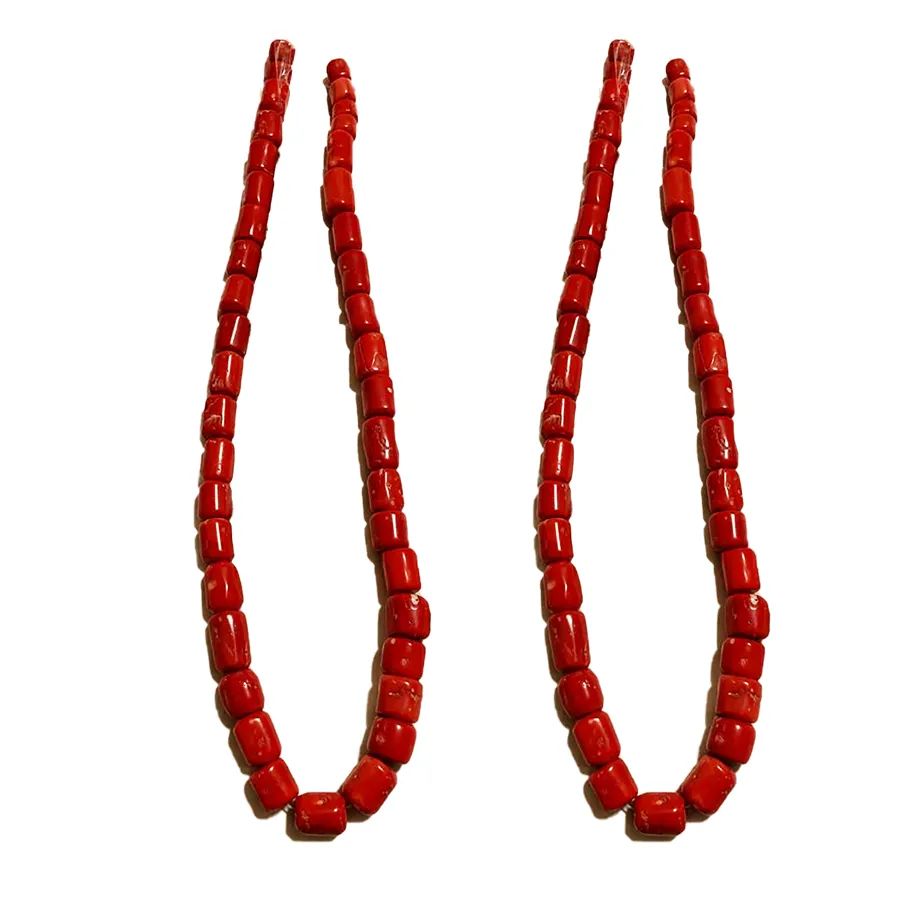
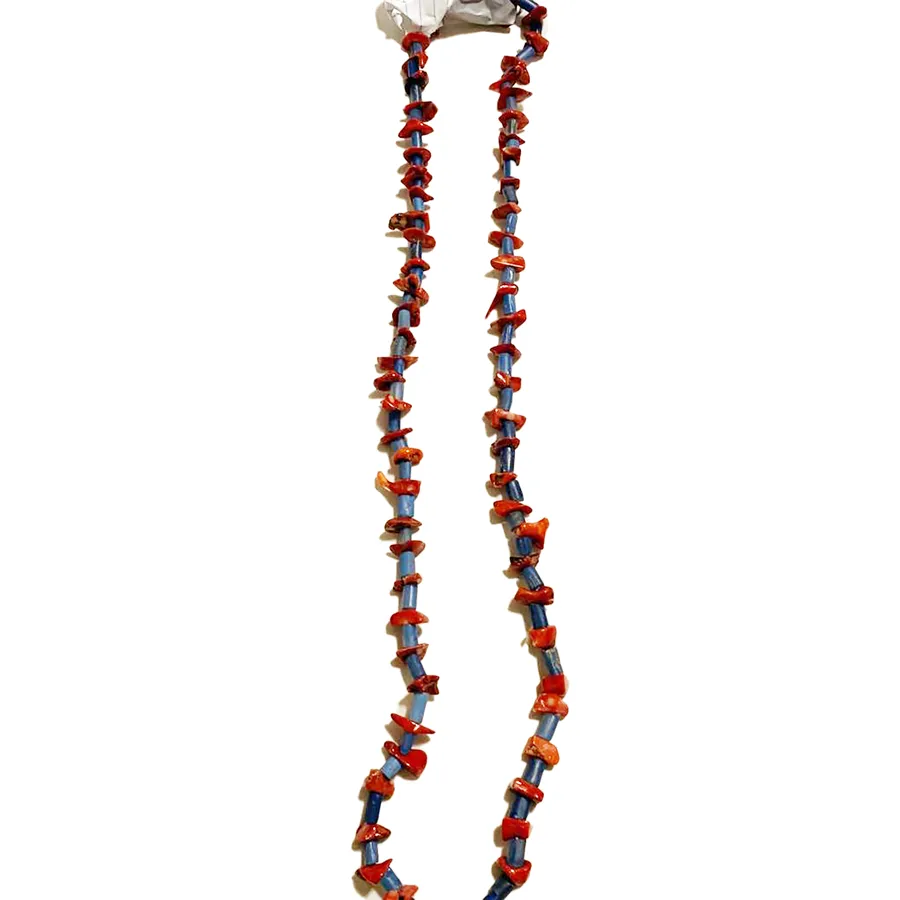
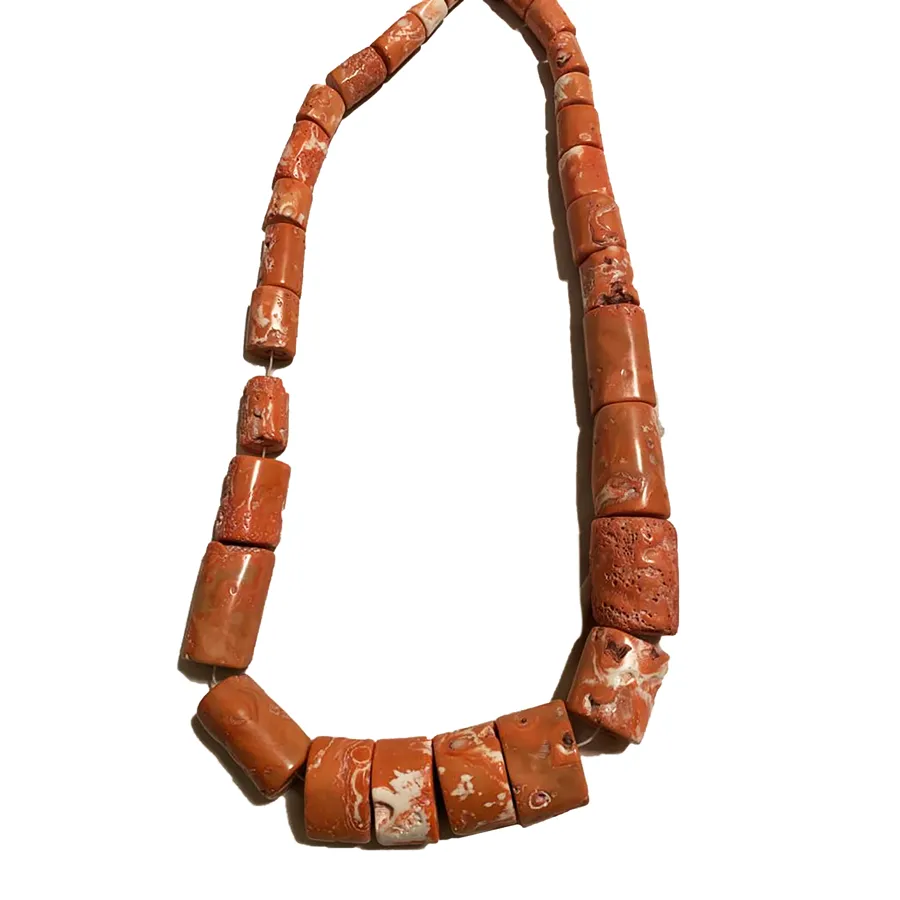
iyùn
coral beads
-
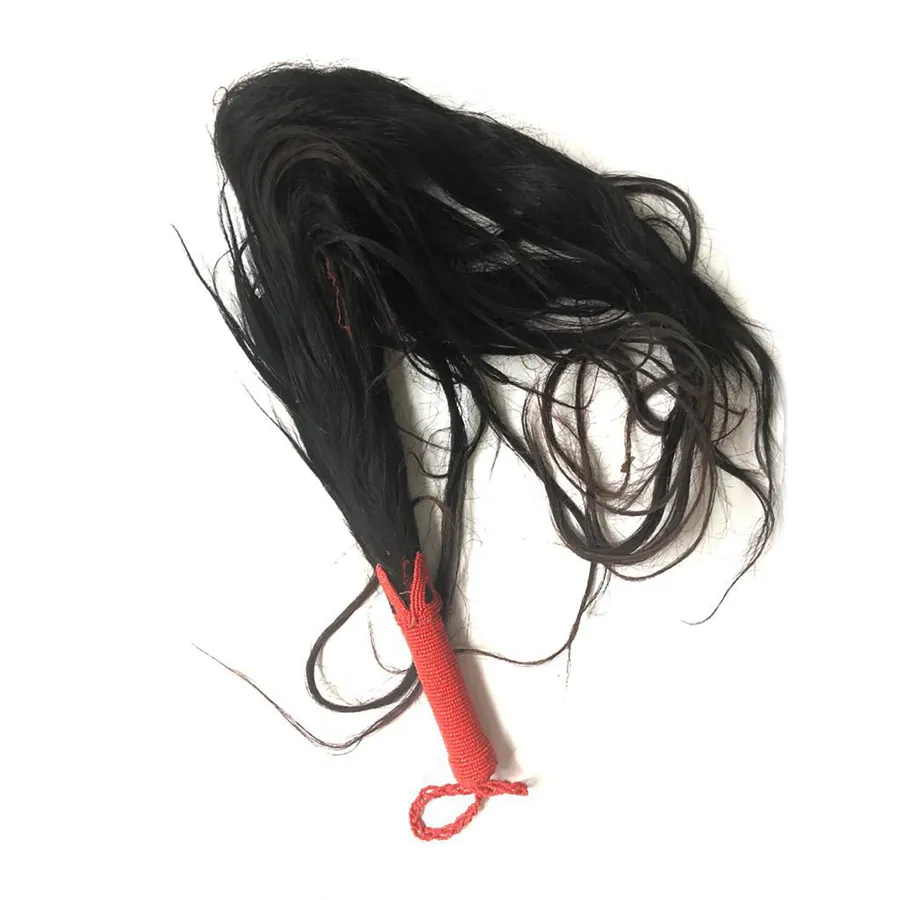
ìrùkẹ̀rẹ̀
horsetail fly whisk
-
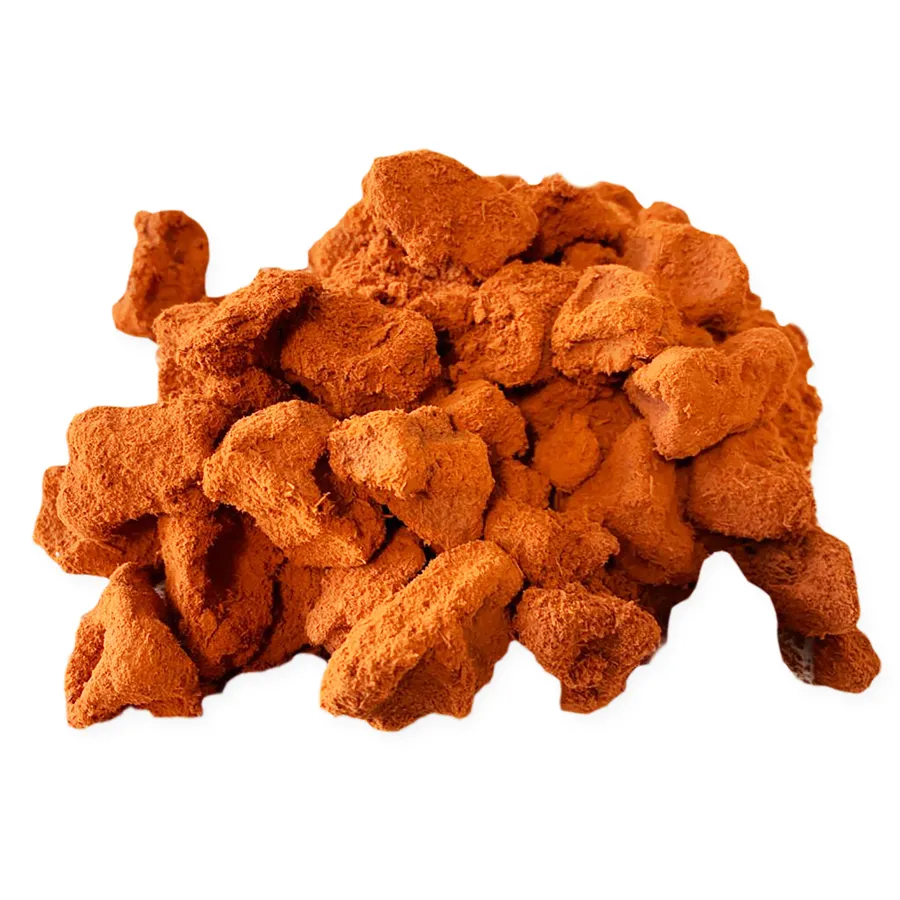
osùn
camwood
-
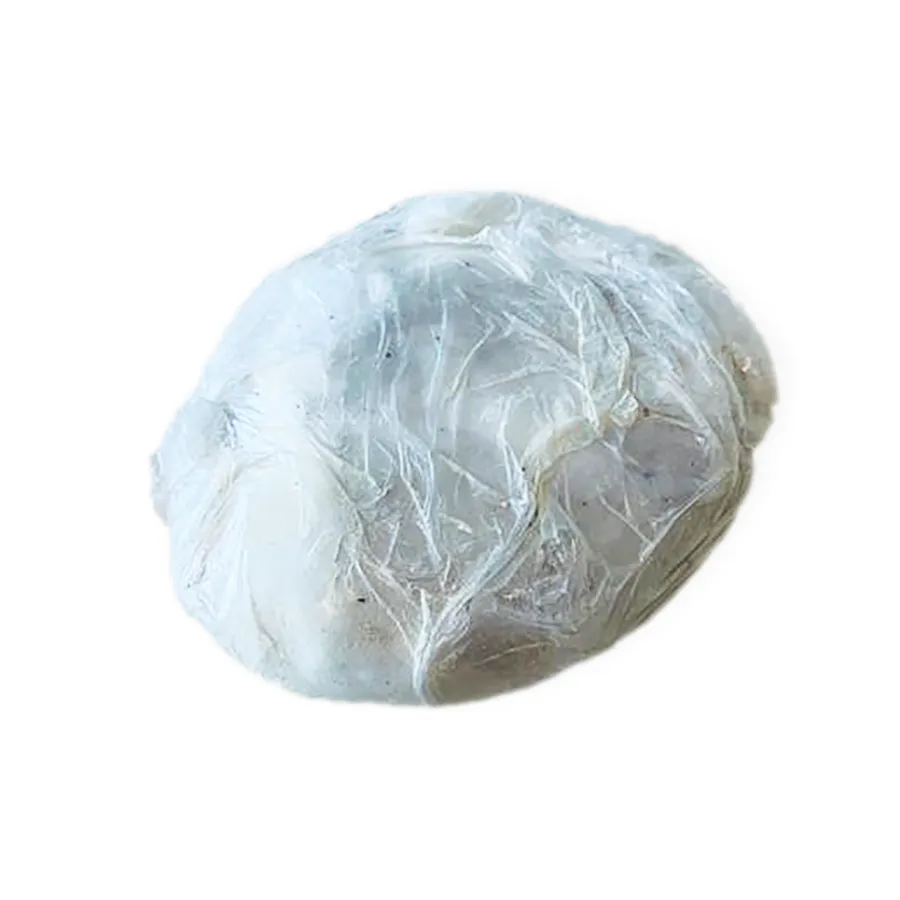
ẹfun
white chalk
-
ìlẹ̀kẹ̀
beads
-
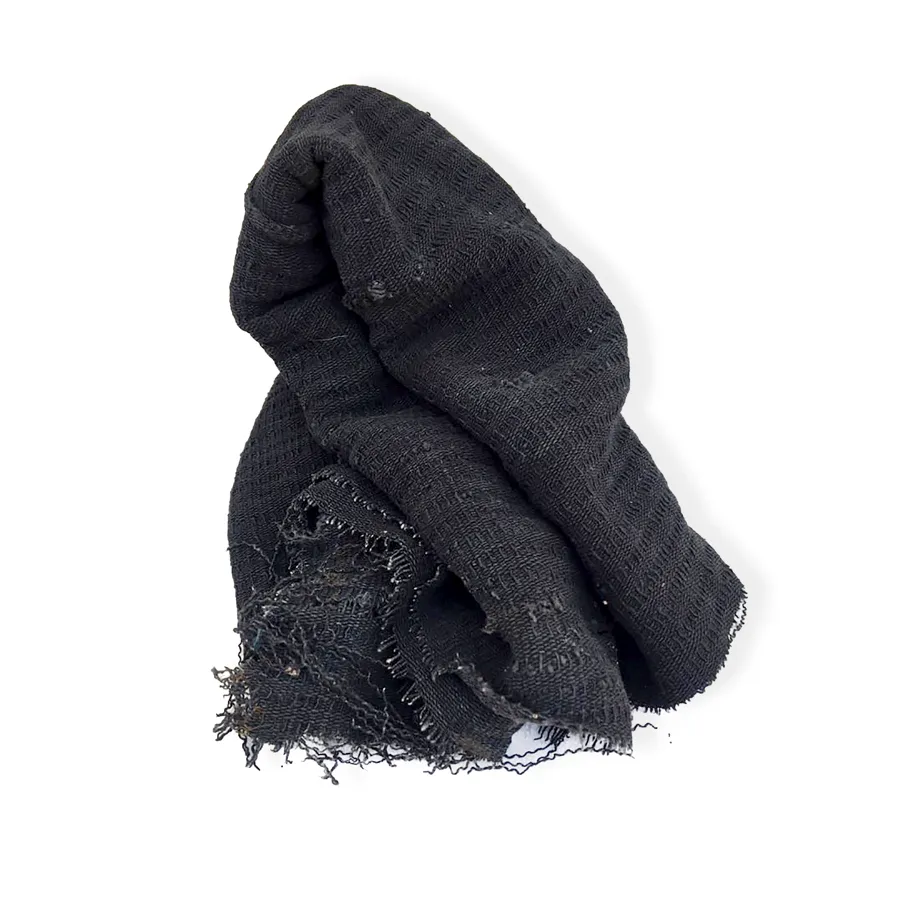
aṣọ
cloth
-
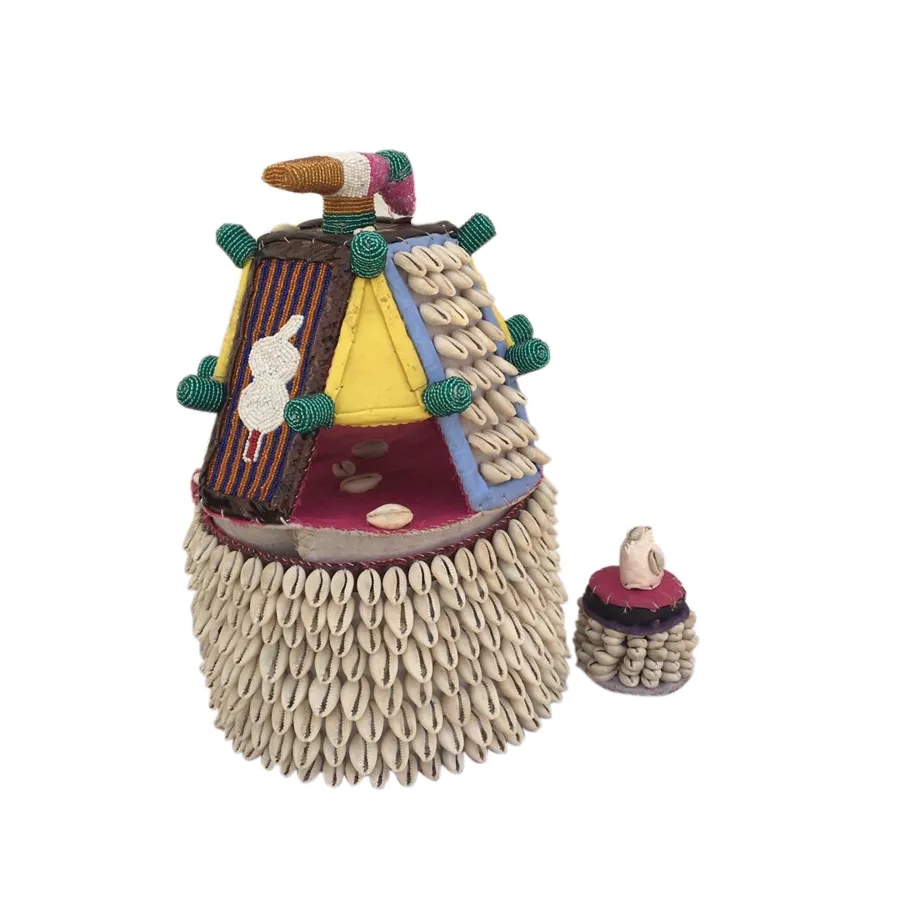
owó ẹyọ
cowrie shells
-
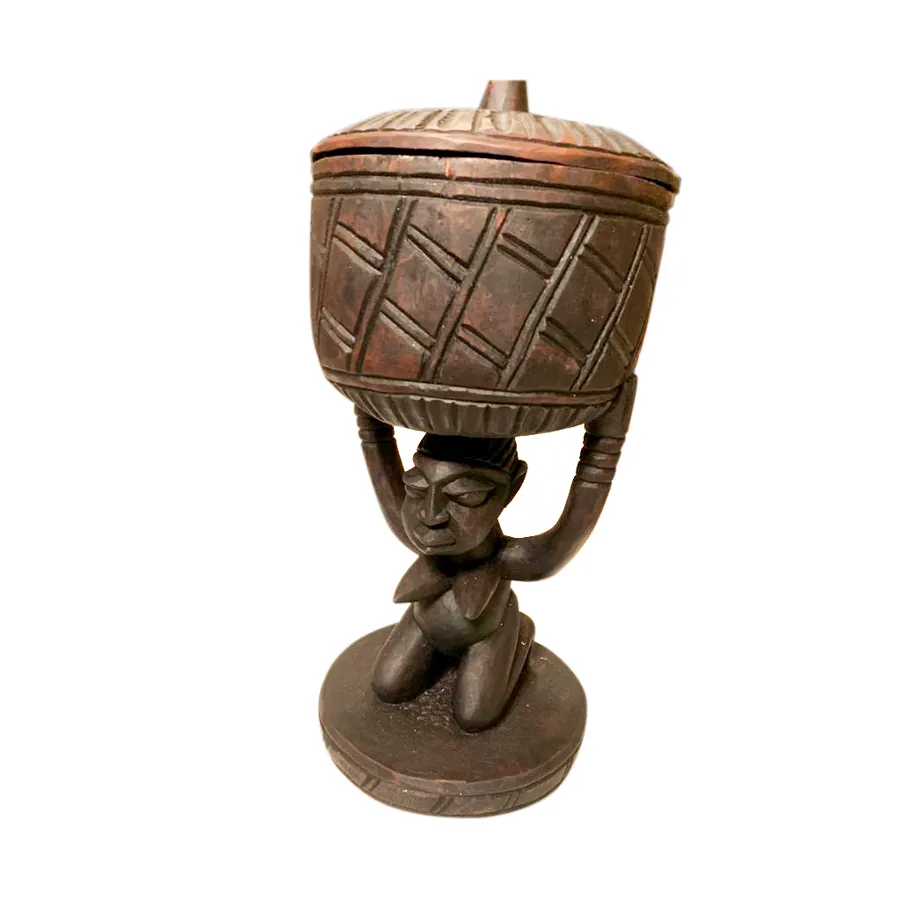
agere
carved bowl
-
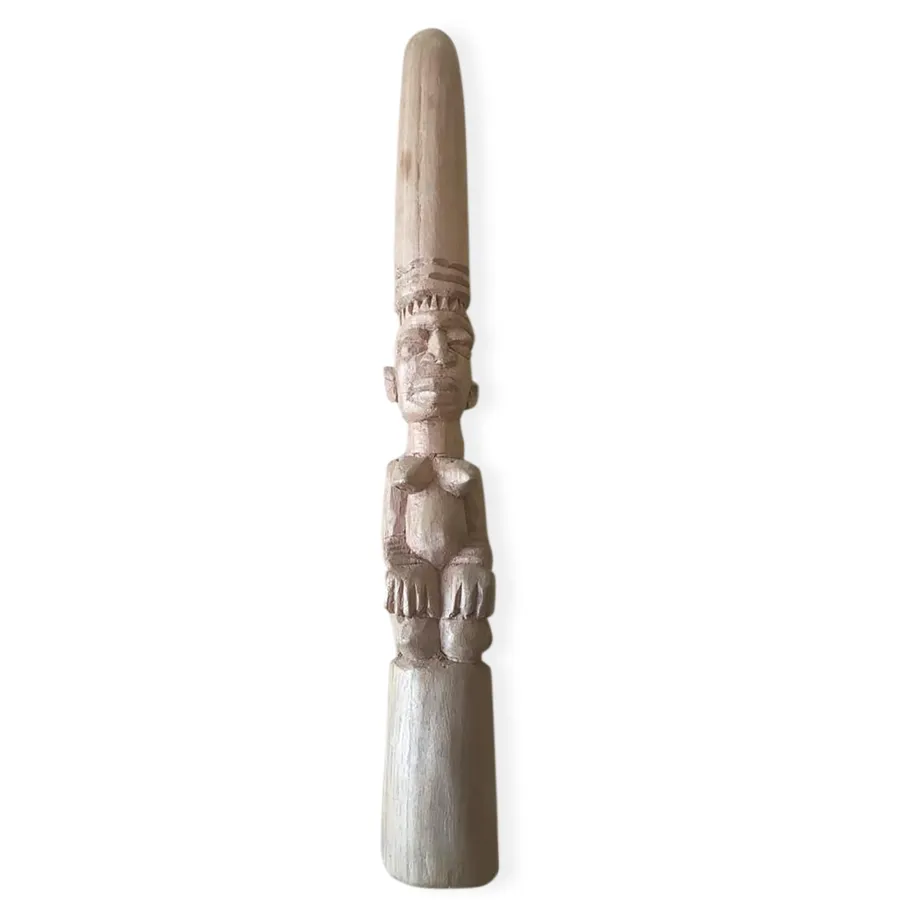
ère
carving
Between generations
Learn it the way it was handed down.
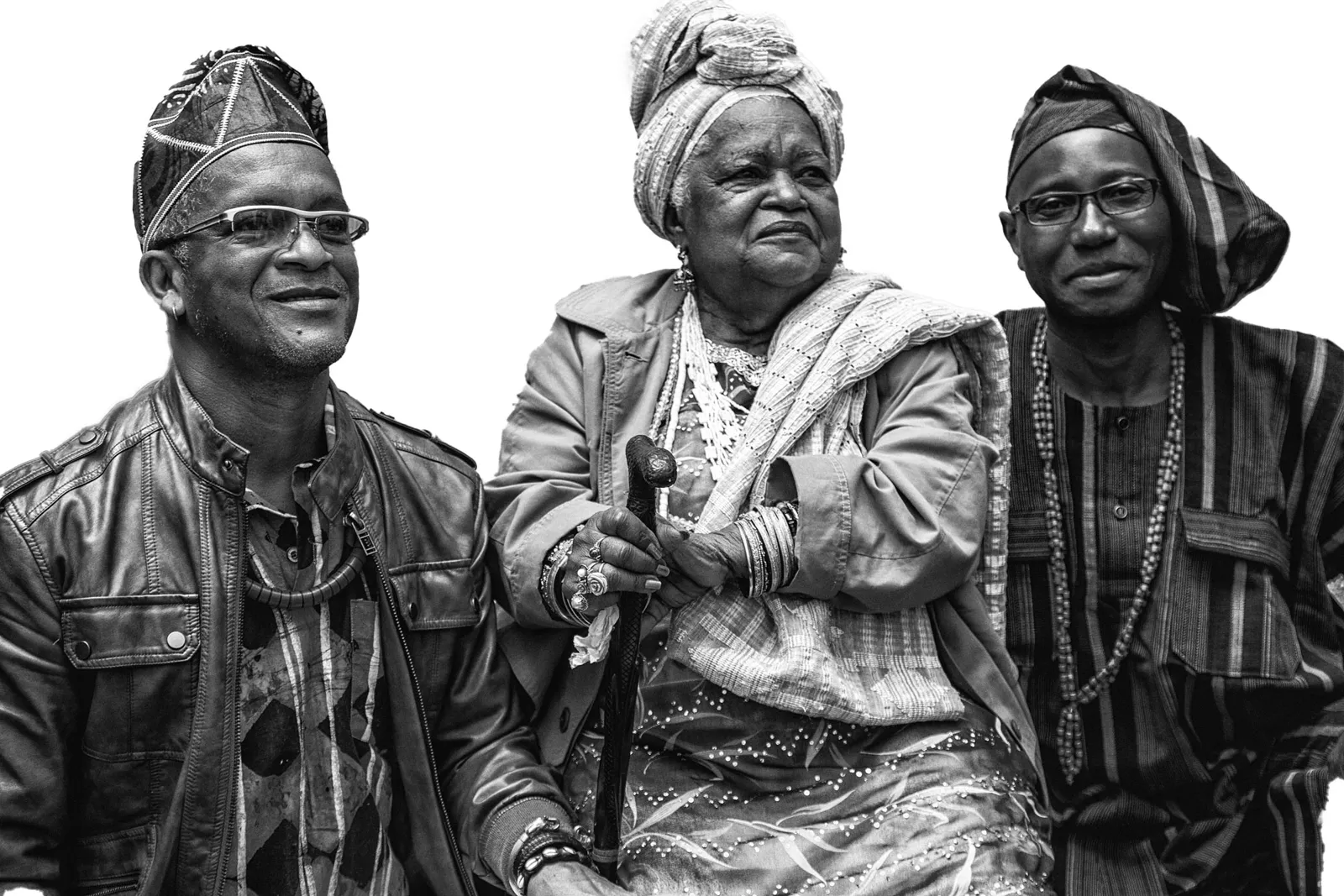
Yorùbá has always passed from voice to voice — from grandparents to grandchildren, from teachers to students. Talk Yorùbá keeps that voice at the centre: you hear each phrase spoken before you read it, and you speak it back.
Whether you are reconnecting with your family's language, preparing to travel, or studying Yorùbá culture, the path is the same: listen closely, practise often, and keep going.
Rooted in scholarship
A long tradition of Yorùbá learning
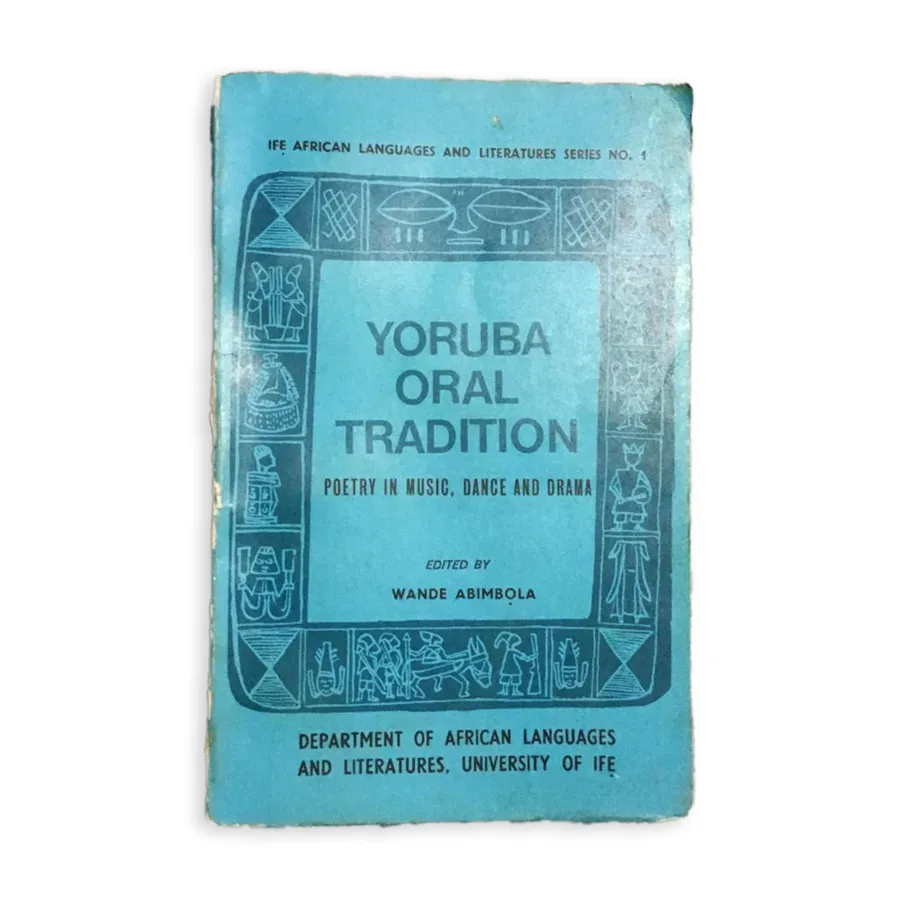
Yorùbá oral literature — poetry, song, proverbs and drama — has been recorded and taught by scholars for generations, in works such as Yoruba Oral Tradition: Poetry in Music, Dance and Drama, edited by Wándé Abímbọ́lá (University of Ifẹ̀). Talk Yorùbá stands in that line.
Studying for credit?
Take the courses at Ifá University
The same courses are offered for academic credit — with graded examinations, letter grades and transcripts — to students of Ifá University.
Ẹ jẹ́ ká bẹ̀rẹ̀.Let's begin.
One membership opens all sixteen courses for a year — $49.99 a year. Your first Yorùbá conversation is closer than you think.


